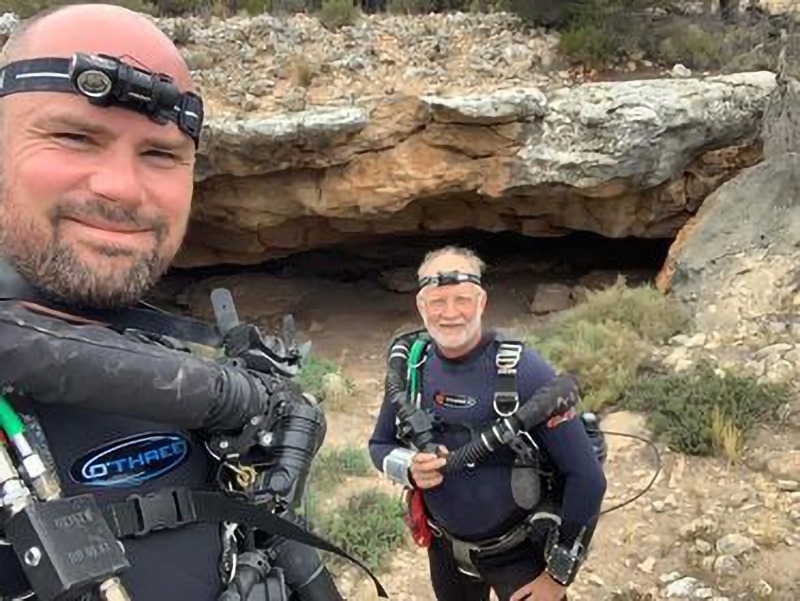
Wet Mules, Olwolgin Cave, Western Australia…
March 24, 2022
Be a better Dive Leader by applying human factors | Webinar
May 19, 2022The Status Quo Bias. We don’t like to change…

In 1985, Coca Cola unveiled “New Coke” which was a reformulation of the original Coke flavour. Blind tests found that many consumers preferred New Coke to Coke Classic. However, when consumers were choosing which Coke to buy, they chose Coke Classic. New Coke was ultimately discontinued in 1992.
In the 1990s, citizens in the States of New Jersey and Pennsylvania were given two options for their automotive insurance: an expensive option and a cheap option. In New Jersey the cheaper option was the default and was selected by most citizens whereas, in Pennsylvania, the opposite was the case – most people chose the expensive option which was their default.
These are both classic examples of the Status Quo Bias which refers to the phenomenon of preferring that one’s environment and/or situation remains as it already is. We tend to prefer familiar choices over less familiar, but potentially more beneficial, options.
When Nitrox was first introduced in the 20th century, it was largely shunned by the diving world and it took quite a few years before training agencies started widely promoting it in the mid-90s. During those years, the science behind why nitrox was better than air (in terms of reducing the risk of Decompression Sickness) didn’t change but people were still very reluctant to start using something new that was less familiar. This could be considered the Status Quo bias among a whole group of people rather than just individuals.
People also tend to feel more regret for bad outcomes that result from a new action or decision than bad outcomes resulting from inaction. i.e. maintaining the Status Quo (Kahneman & Tversky 1982).
Maintaining the Status Quo is also more likely to occur when there is choice overload (Dean et al., 2017) or lots of uncertainty and/or costs to consider (Nebel, 2015)
Why does this behaviour matter to diving?
Dive site routes
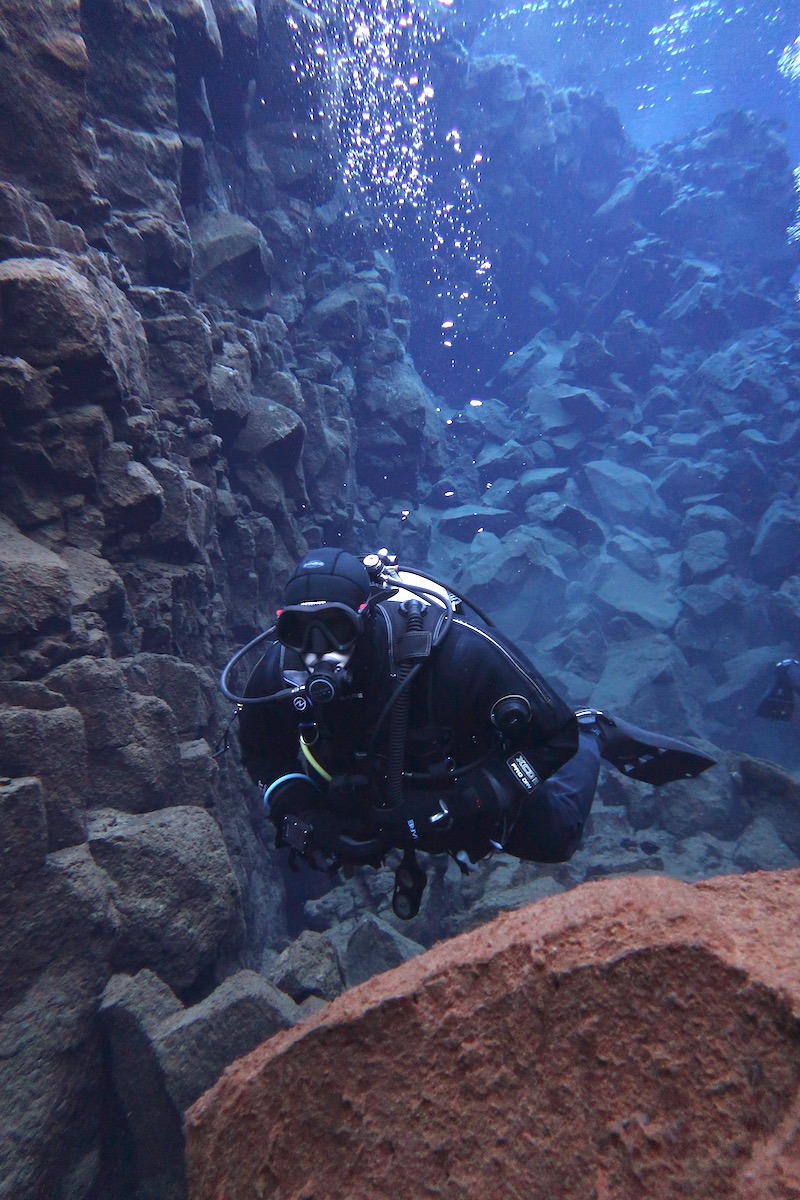
I often visit a local shore diving site which, among other things, is renowned for its sponge gardens, rocky ledges and large shoals of fish. If I’m leading the dive, I tend to follow the same route which roughly involves working my way down to about 22m just before slack high water then coming back shallow and exploring some of the rock ledges before the outgoing tide gets too strong. I do this route because I know it works, it is safe and will usually allow me to get to see some cool stuff. I am aware that there are other options and things to see at this dive site. What I ought to do is talk to and dive with other divers more often who know the site better than me so I can have alternate routes to provide more variety.
Equipment
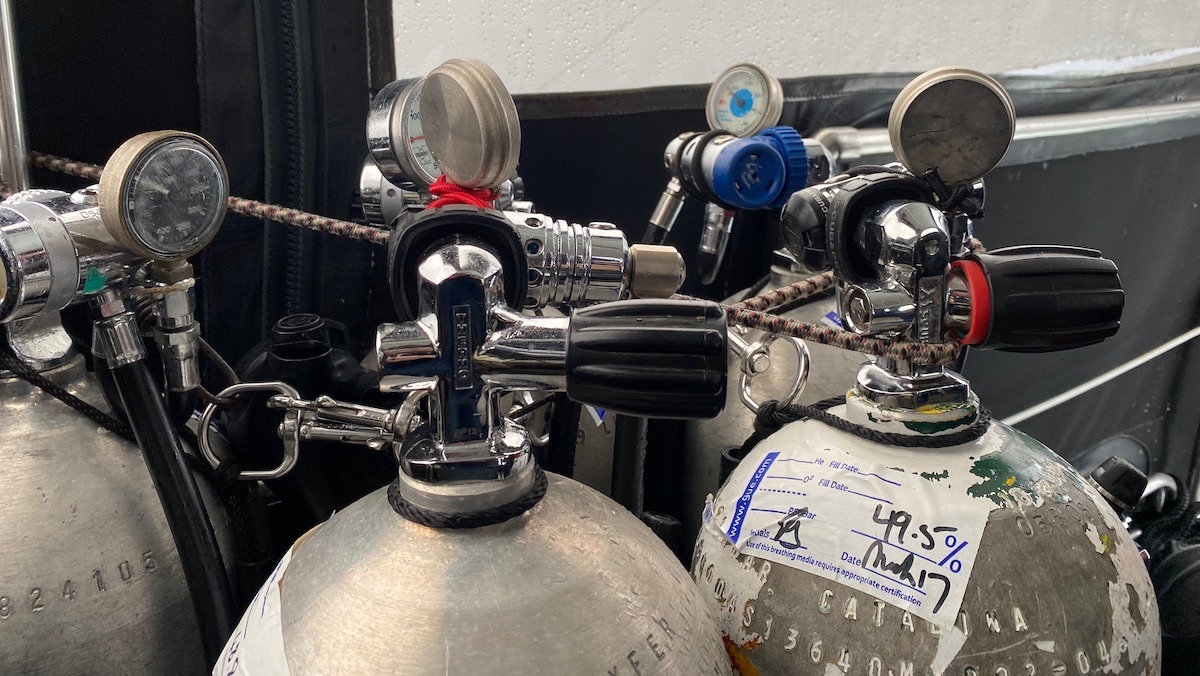
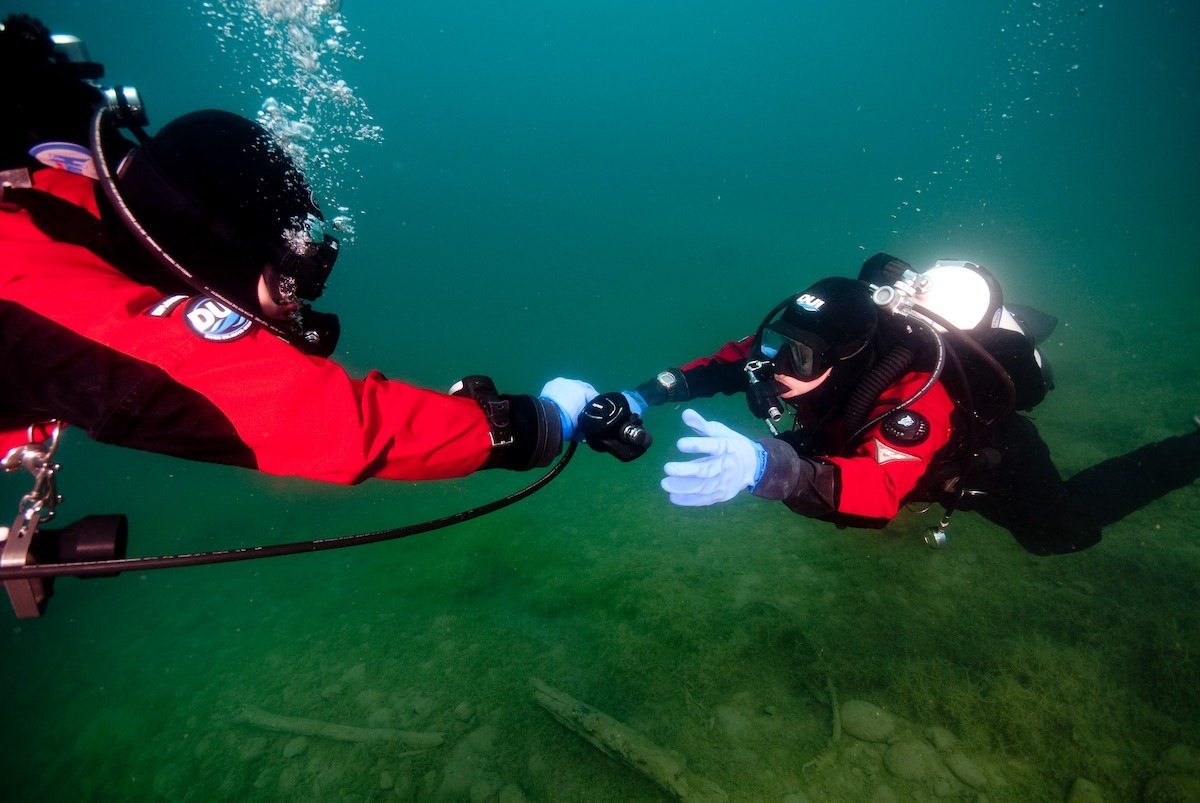
Once we have our equipment set up in a certain way, changing it can feel uncomfortable. As a personal example, I could never quite get my head around the concept of donating the reg out of my mouth (on a long hose) to a diver who was out of gas. To me, this technique increased the risk of having two divers without regs in their mouths at the same time which just seemed illogical. However, after discussing it with many people via social media to try and gain as much information as I could I am now an advocate and have changed my setup accordingly. This particular example will doubtless divide opinion until we evolve and grow gills. Regardless of the specific situation, keep an open mind. We don’t know what we don’t know. However, what we do know is that there is almost certainly someone out there who can help us improve our knowledge more!
To round up
For better or worse, all biases affect our decision making and we cannot avoid them. They are part of what makes us human. One way we can combat the negative effects of biases is simply an awareness that they exist. Hopefully, this blog achieves that and encourages you to consider that maintaining the Status Quo, while it might be the easy option, maybe isn’t the best way forward.
Originally posted and reproduced by kind permission of https://www.thehumandiver.com/blog/status-quo