
GoDiving Show 2024 / Dive Ireland 2024
February 7, 2024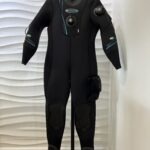
MF 5 Ladies
April 17, 2024“EXPLORATION IS REALLY THE ESSENCE OF THE HUMAN SPIRIT” Frank Borman (commander of Apollo 8)
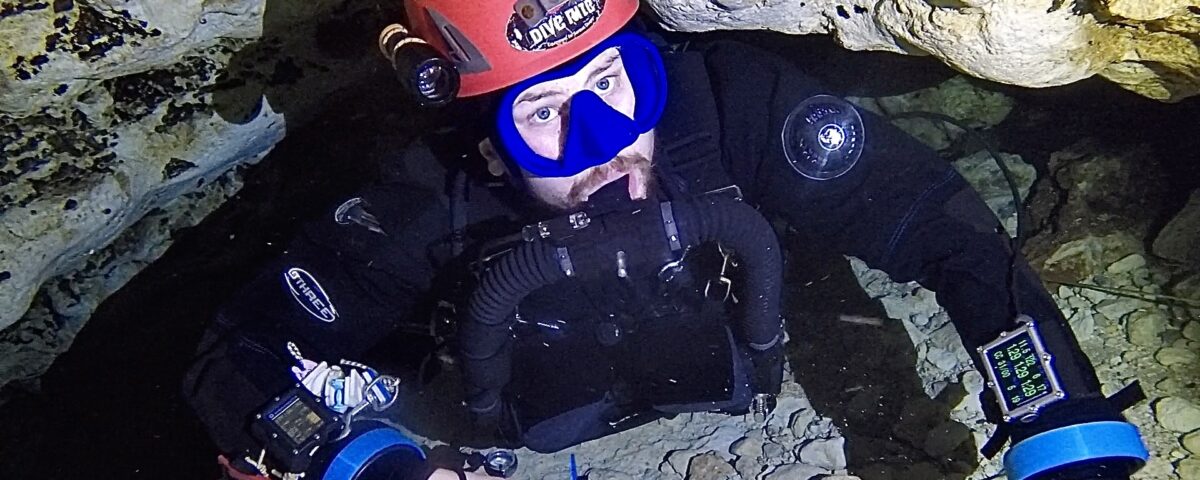
Tick tock …. We are all getting older and we can do nothing about that. During my life I have endeavoured to continuously explore the undersea and underground world with a few mountaineering trips thrown in for good measure. Some of that exploration has been original, by that we are the first humans to explore and document the cave systems on the expedition. I have dived shipwrecks, never before dived since the day they sunk and found underwater creatures that have caused much excitement with the biological researchers. But exploration does not need to be original, it can be personal exploration of your chosen environment. It can also be research and learning. As divers, we all have a wish list of sites around the world to dive and explore. I try to work through my list faster than I add things onto that list, generally I fail in this endeavour! As I’ve gotten older my aims have adjusted slightly, leaving the hardcore exploration underground to the younger generation, I’m concentrating on logistically easier and or warmer cave/mine exploration sites such as Northern Thailand and my wish list of ocean diving, again in warmer climates, as well as home waters, still the best diving in the world. The thing that’s not changed is my desire to explore unknown sites and visit sites new to me, I can’t stop, I just need to travel and experience new lands and locations. I’m always minded to search out areas of the world that are not on the popular diving trail. I like remote diving in areas with limited diving infrastructure, I like diving these sites and putting them on the map rather than diving them once they become popular. I’m also keen in my now 36th year of continuous diving, to keep learning new diving skills and keep progressing.
What follows is accounts of three recent diving trips that have allowed us to explore the realm we love.
Northern Thailand February 2023.
After nearly three weeks in the field exploring caves and assessing cave diving potential with much found and surveyed. The team went to find and assess Tham Nam Lai for diving. On searching for the resurgence cave a local Monk showed us the easiest way to the cave and after an exchange of Thai Baht the cave and divers were duly blessed and free to explore.
The cave and conditions we found to be good, 230m of easy and well decorated caving got us to the large terminal sump. Diving is planned for the next day.
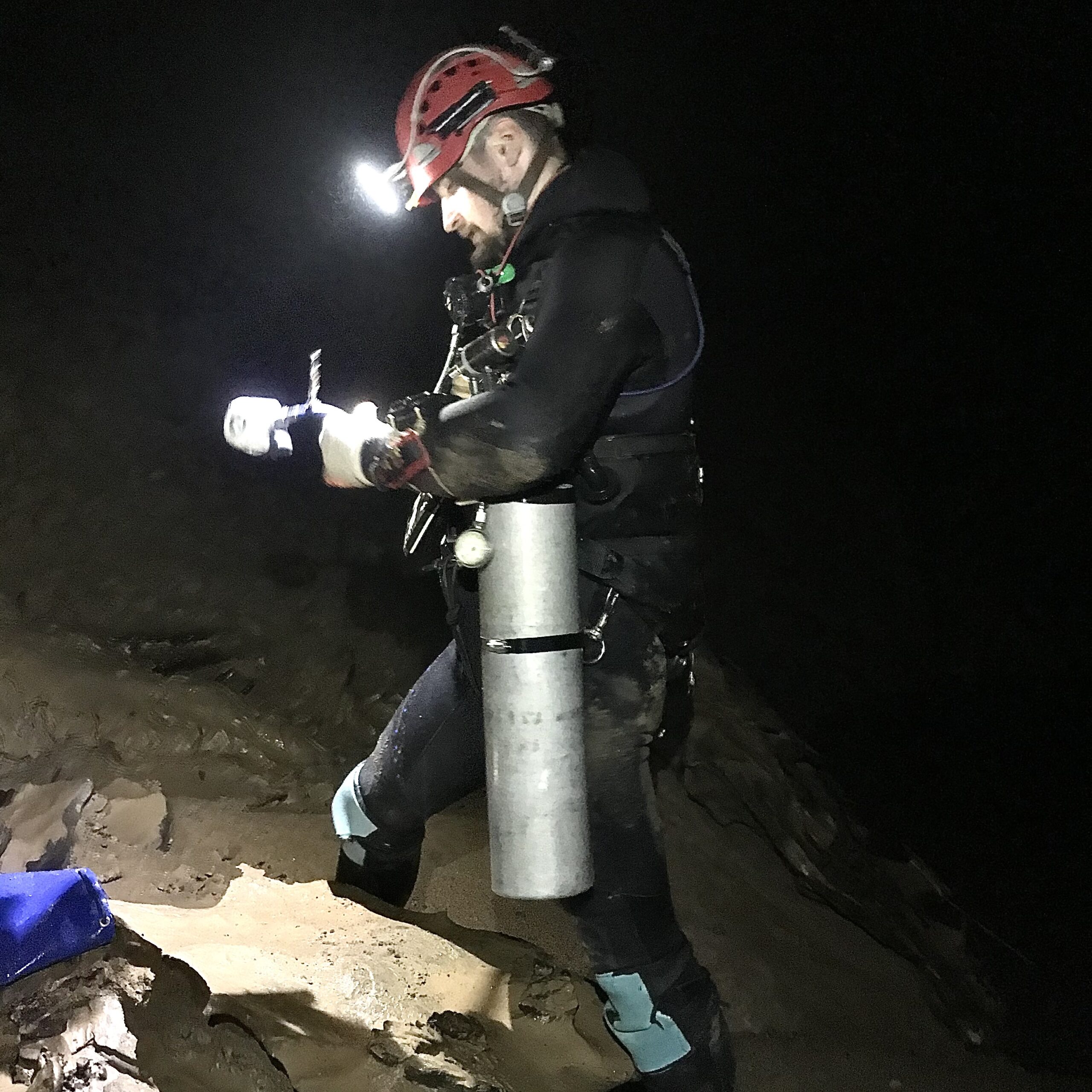

A superb team effort got my diving equipment to the terminal sump. I set off into the unknown in a large underwater passage, visibility was only around 2m so I found the right hand wall and laid 60m of line to surface in another large chamber with ongoing dry passage. Four fish species spotted in the sump, one of which has the biological folk rather interested. Returning to dive base we arranged Robert’s equipment and transported two more cylinders to the sump. We both then dived back through to the dry section and started surveying as we explored. Over 100m of large beautifully sculpted passage but incredibly sharp in places was found, we stopped at another large sump at the base of a sand and gravel slope. On the way back out and just before the dive Robert located the underwater continuation of the main underground river leading off from the large pool I first surfaced in. This is the true sump two. The sump at the end of the dry section just surveyed is the overflow or fossil series sump 1A.
Our last day of exploration during this expedition, Robert and I returned to Tham nam Lai to dive sump 1A and check out the main stream sump 2. Departing the dive base we filmed a section of the sump and the troglodyte fish to give more information to the biologists. On arriving past the sump we packed up one set of diving equipment and carried it across the dry section to sump 1A. We both noticed a lack of oxygen content in the cave air whilst moving and carrying equipment. Robert then geared up and dived into the new sump. This proved to be a large diameter sump but only 45 meters long. The diver again surfaced in large dry cave. Returning to base surveying the underwater passage and noticing more cave fish. I then took the set of diving equipment to look at the sump and confirm if we had ongoing passages. Unfortunately the large passage ended just around the corner in a circular chamber with three waterfall inlets, two of which were around 8 meters up the wall and one smaller one lower down. Pacing out the passage back to the sump around 30m of un-surveyed passage was found. This will be surveyed when we return to climb into the inlets. On the way out I dived the true sump 2 located on the far side of the upstream sump 1 pool located yesterday by Robert. Due to a lack of air this was only a short 25m dive to confirm the passage was ongoing and open. It was found to be 3 metres by 3 metres and taking all the dry season flow. Diving back through Sump 1 we measured the width of the underwater passage at the deepest point, this was 8 meters and we also measured the ceiling depth at the same point, this was found to be 3.5 meters. All equipment was then removed from the cave with the assistance of the team. A return in 2024 with CCR and climbing equipment is planned.
Thermal protection used O’ Three 3mm Wetsuit – 3 X 3 GBS One Piece with Deepskin Short John.
Shipwrecks of the Dardanelles Campaign, Gallipoli Turkey.
This was a military operation during WW1 on the Gallipoli peninsula, Turkey from 19 February 1915 to 9 January 1916. The Entente powers, Britain, France and the Russian Empire sought to weaken the Ottomans, one of the central powers by taking control of the Ottoman Straits. This would expose the Ottoman capital at Constantinople to bombardment by Entente battleships and cut it off from the Asian part of the empire. With the Ottoman Empire defeated, the Suez Canal would be safe and the Bosporus and Dardanelles straits would be open to Entente supplies to the Black Sea warm-water ports in Russia.
Thirty Three shipwrecks from the World War One Campaign are known around Gallipoli. Having an interest in the history of the Great War has taken me to dive many sites of this conflict. Gallipoli was on that list. Only a few dive operators can take you to these wrecks and finding a good one is half the challenge. I had three days reconnaissance diving on six different wrecks and came away wanting more and with some excellent research material. Visibility was generally good with water temperature around 18-19c in September. Strong and difficult currents are found on many of the deeper wrecks making for some challenging conditions. The wrecks are a true time capsule from WW1, many artefacts are to be found on these protected wrecks.
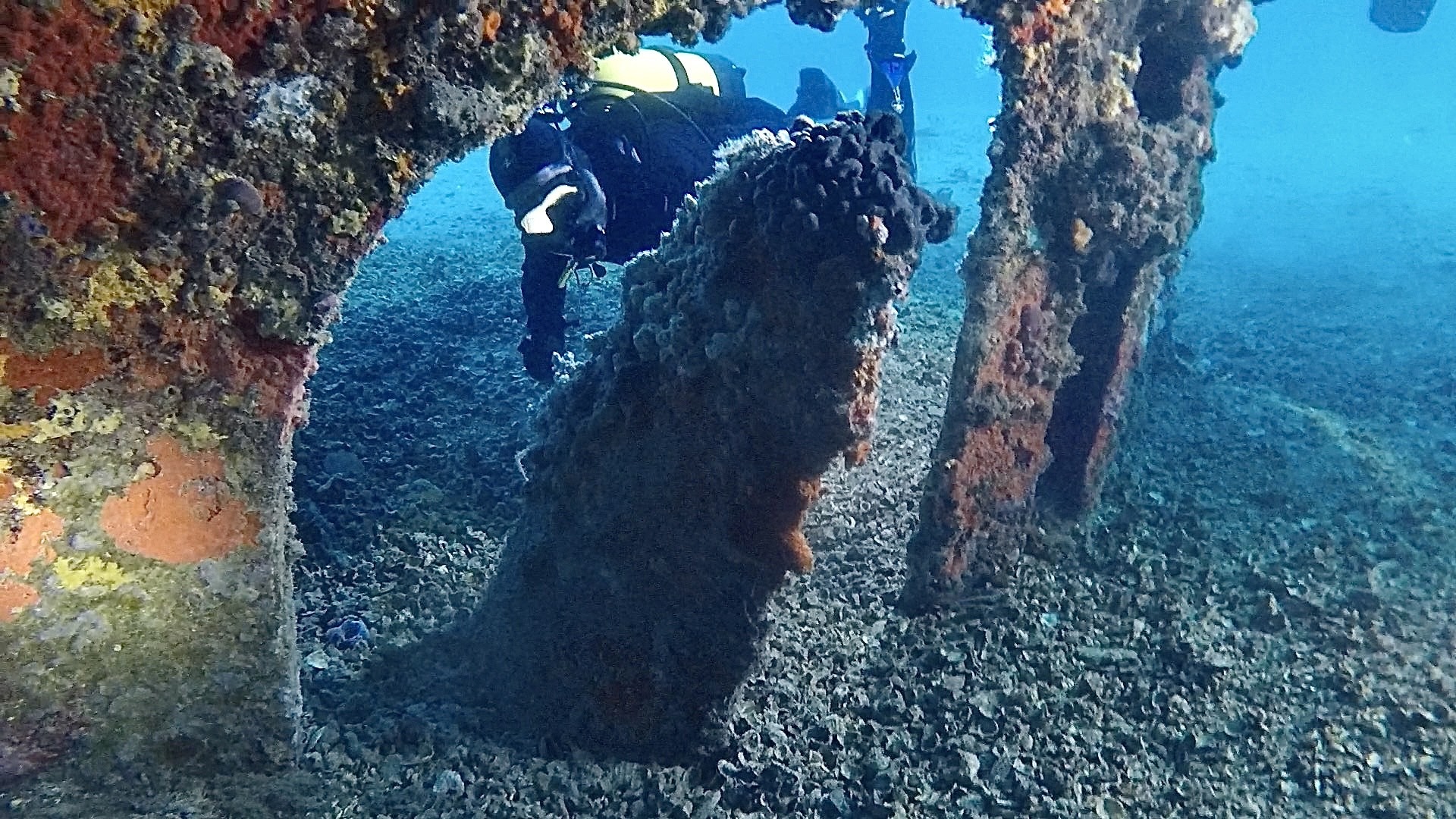
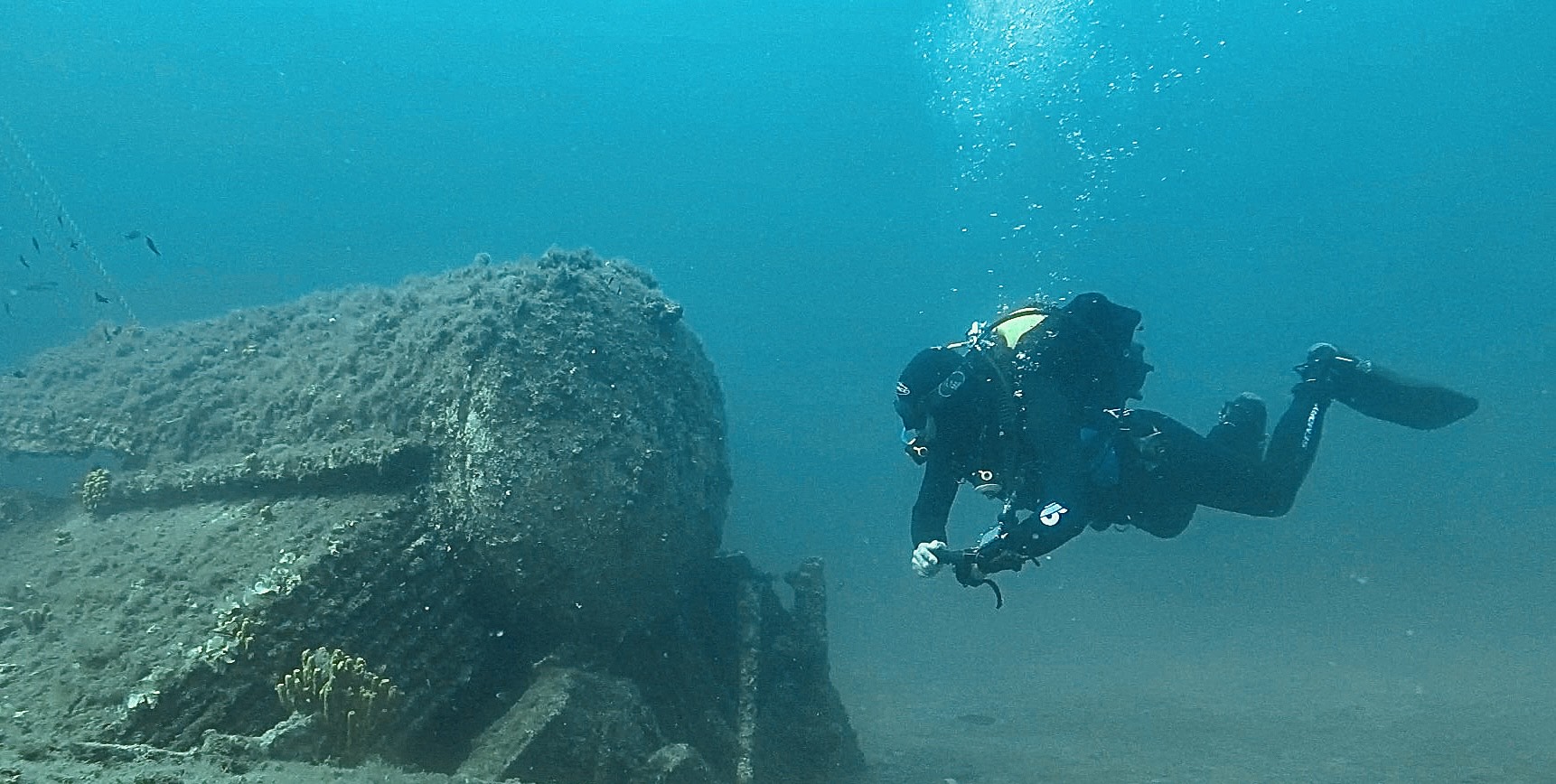
The Lundy in 28m was built in 1908 in Beverley, England, was originally a trawler owned by the Hull Steam Fishing & Ice Company before the war.
This 188-ton huge ship with a Smith brand engine was previously used in unmilitary works, and with the outbreak of the Dardanelles Campaign, it was assigned to operate as a minesweeper under the command of Henry Charles Taylor.
On August 16, 1915, during an ammunition load, Lundy collided with Kalyan, a vessel trying to escape from Turkish gunfires and sunk at the depths of Suvla. Lundy remains intact with the exception of the damage at her stern.
HMS Louis in 13m was built in 1912, had been damaged after colliding with a tugboat on October 30, 1915 and ran aground while serving under the command of Harold Dallas Adair-Hall during the Gallipoli Battles.
The ship, which was used for night rescue operations, was painted in a colour compatible with the rocks and used as a wall in order to prevent the Turkish artillery from noticing these works. The ship, weighing 965 tons and at a length of 82 meters long with 45 meters of wreck on the sand and the rest buried under the sand.
The Helles Barges, having the characteristics of flat-bottomed, watertight, wide-hulled engine or enginless vehicles, were used to transport soldiers, supplies and mounts for the pier constructions during the Gallipoli landings. It is thought that these two barges were sunk during the landing at Seddülbahir on the morning of April 25, 1915.
The smallest of the barges, located at a depth of 25 meters offshore from Tekke Cove, is 18 meters long and its anchor and chain can be seen at the bow. The steam boiler of the other barge, which is 23 meters long, can be seen right next to it, lying on the seabed.
HMS Majestic in 23m weighing 14,900 tons was built as a pre-dreadnought battleship at Portsmouth Shipyards by Naval Construction & Armaments Co of Barrow between 1893 and 1895. Despite the fact that Churchill thought the ship was too old for the operation planned to be carried out in Gallipoli, it was still added to the naval fleet due to being thought that the Dardanelles could easily be passed and Istanbul could be reached.

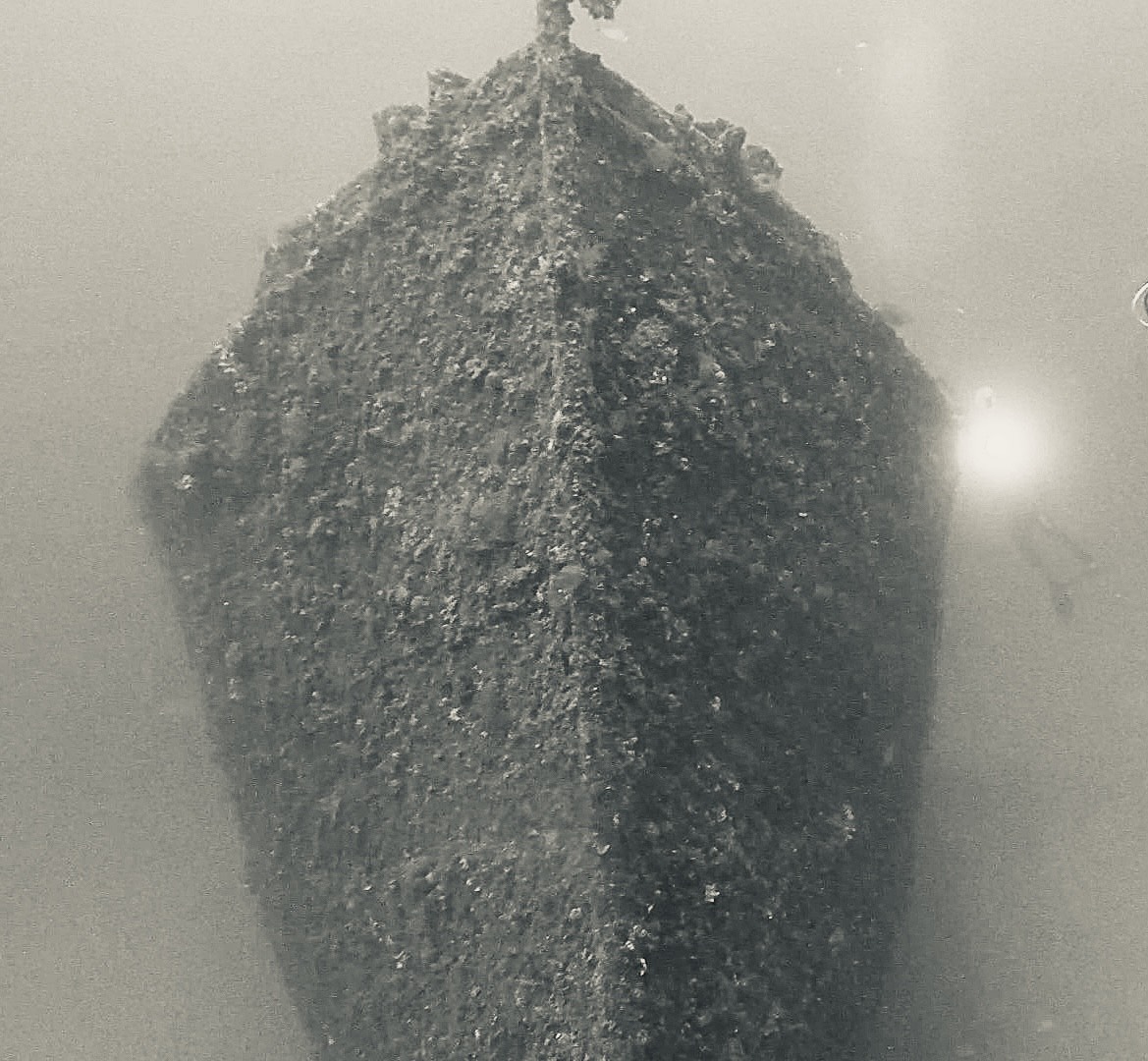
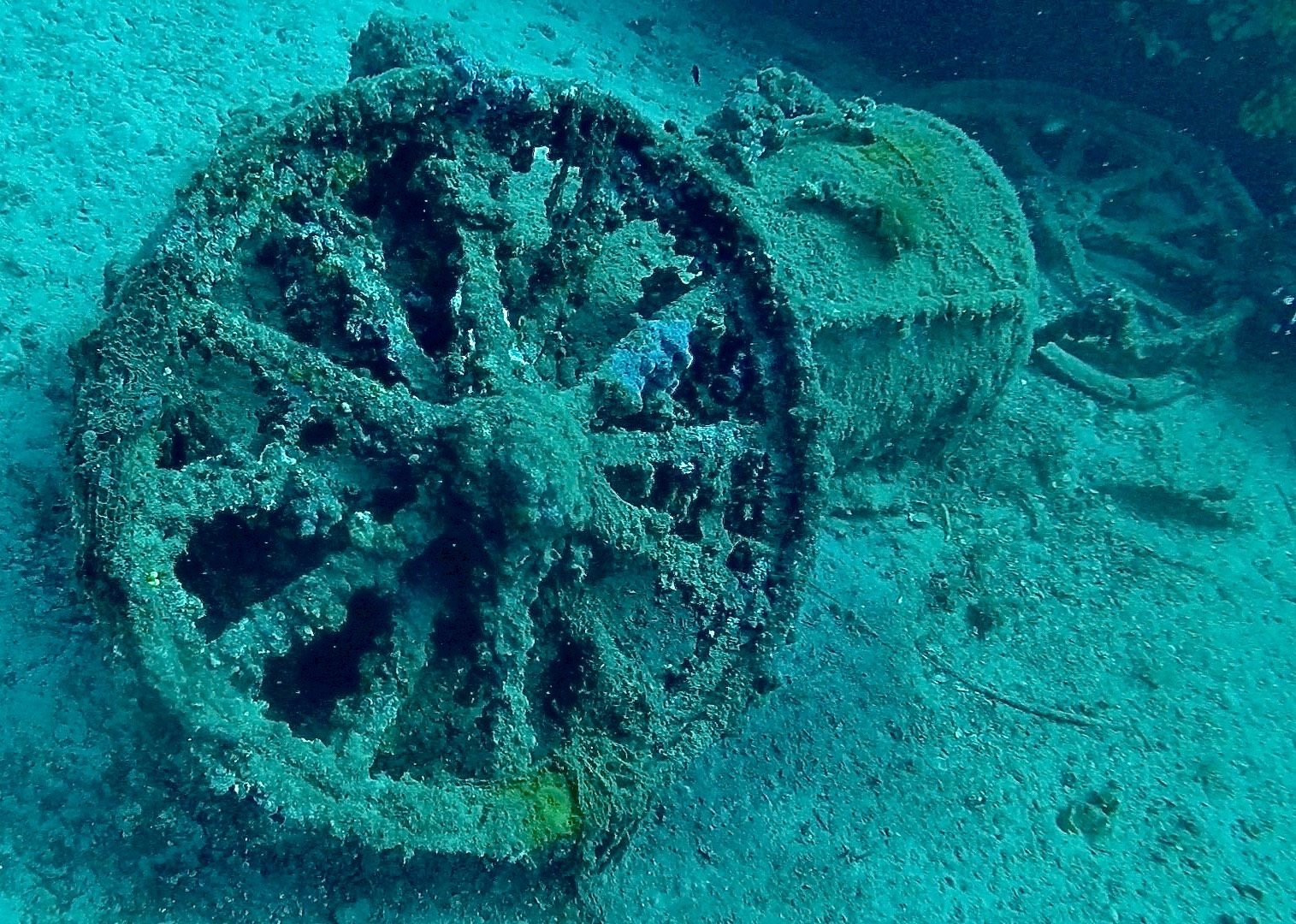
Majestic, having joined the Dardanelles Force on February 24, 1915 carried out its first mission in order to destroy the Dardanos Battery and the Baykus Battery and to carry out minesweeping works.
Majestic had participated in the assaults to pass the Dardanelles on March 1-4, 1915 and in the final attempt to force the Dardanelles by naval power of 2nd Royal Marine Division On March 18, 1915. After the landing on April 25, 1915, HMS Majestic remained in Gallipoli for moral support.
HMS Majestic had anchored as close to the shore as possible so as not to suffer the same fate as HMS Triumph, which was sunk by the submarine U-21 two days earlier. Despite the fact that the ship was surrounded by anti-torpedo nets, it could not escape from being a target and was sunk after being torpedoed by the German submarine U-21 at around 06:30 am on May 27, 1915.
The ship Saghalien in 7m weighing 4050 gross tons was built in 1880. This ship, that undertook the task of evacuating French citizens from Istanbul during the war had crossed the Dardanelles once in August 1914 before the Battle of Gallipoli. As its final mission, the ship had run aground together with the Massena on December 10, 1915 in Ertugrul Cove (V Beach) as a bulwark for the safe evacuation of the British and French soldiers.
Although the shipwreck lost its superstructure, it still preserves its form. The ships Massena and Saghalien, performing their last missions together, are among the must-see underwater heritages.
The Massena 7m named after Andrea Massena, one of the important Marshalls of the French Revolution, was built between 1894-1898.
The ship, weighing 11,735 tons, carried out its last mission by ensuring other ships approaching the shore safely during the evacuation of Gallipoli by the Allies. For this purpose, it had been run aground as a bulwark on November 9, 1915.
Thermal Protection used O’Three 65 Semi-Dry Diving Wetsuit.
The caves of the Florida aquifer, United States of America.
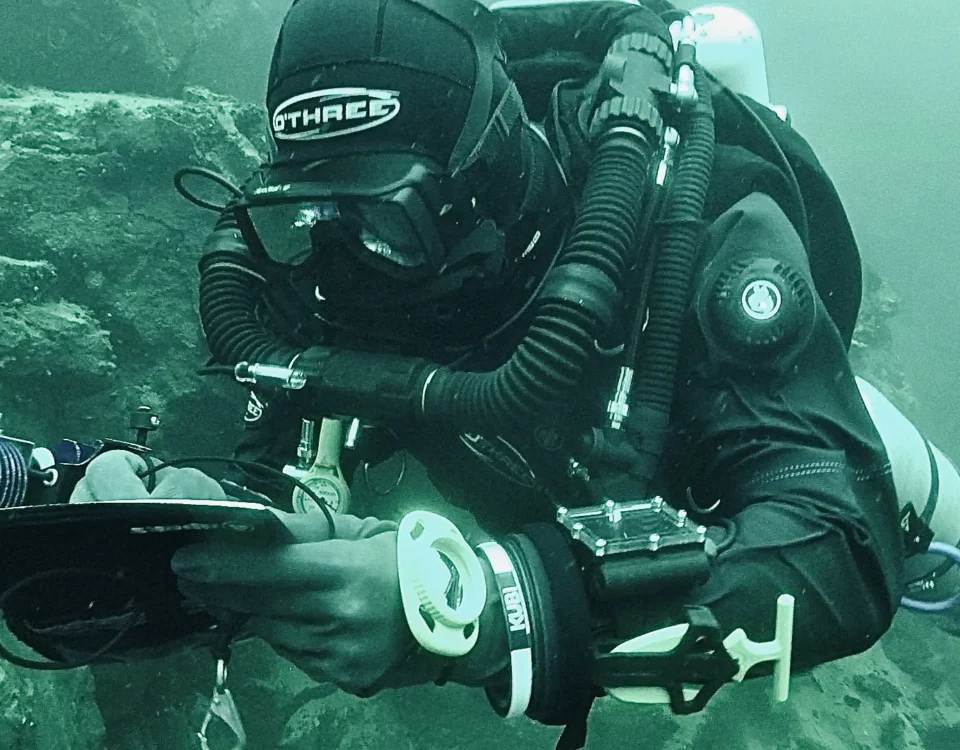
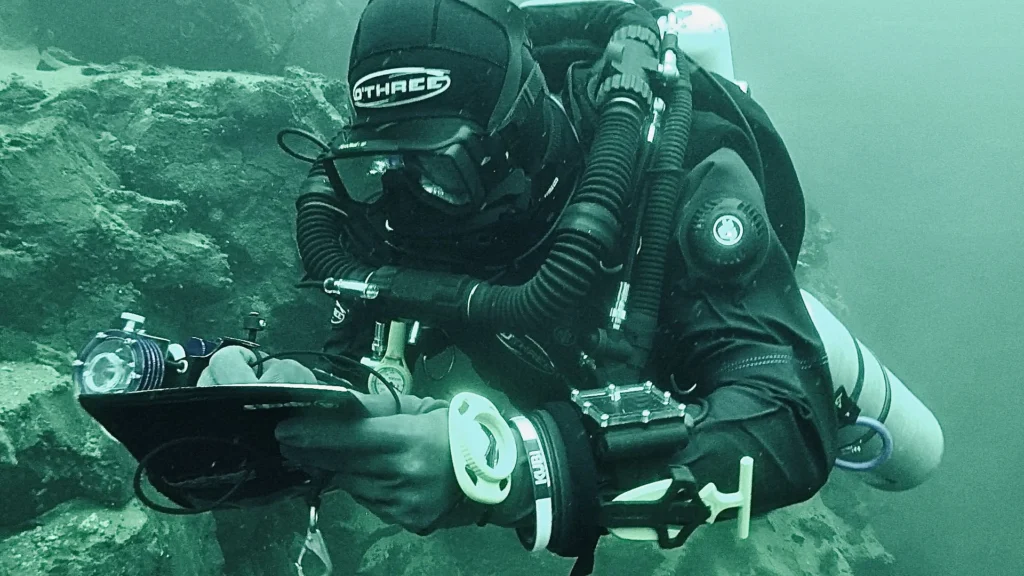
After many years of diving I still enjoy learning new skills and techniques to be used during diving. It also helps to be a student again, giving fresh ideas for when I teach my students. To return to the Thailand caves expedition in 2024 we had decided that we needed CCRs to enable more productive exploration. Our choice of CCR for this project was the Diverite choptima a small chest mount unit. The unit would allow us a quick transition between diver and caver to move forward to the next flooded section. Diverite are based in Lake City Florida and also arranged the training. This gave me the chance to return and dive some of the superb caves of Florida.
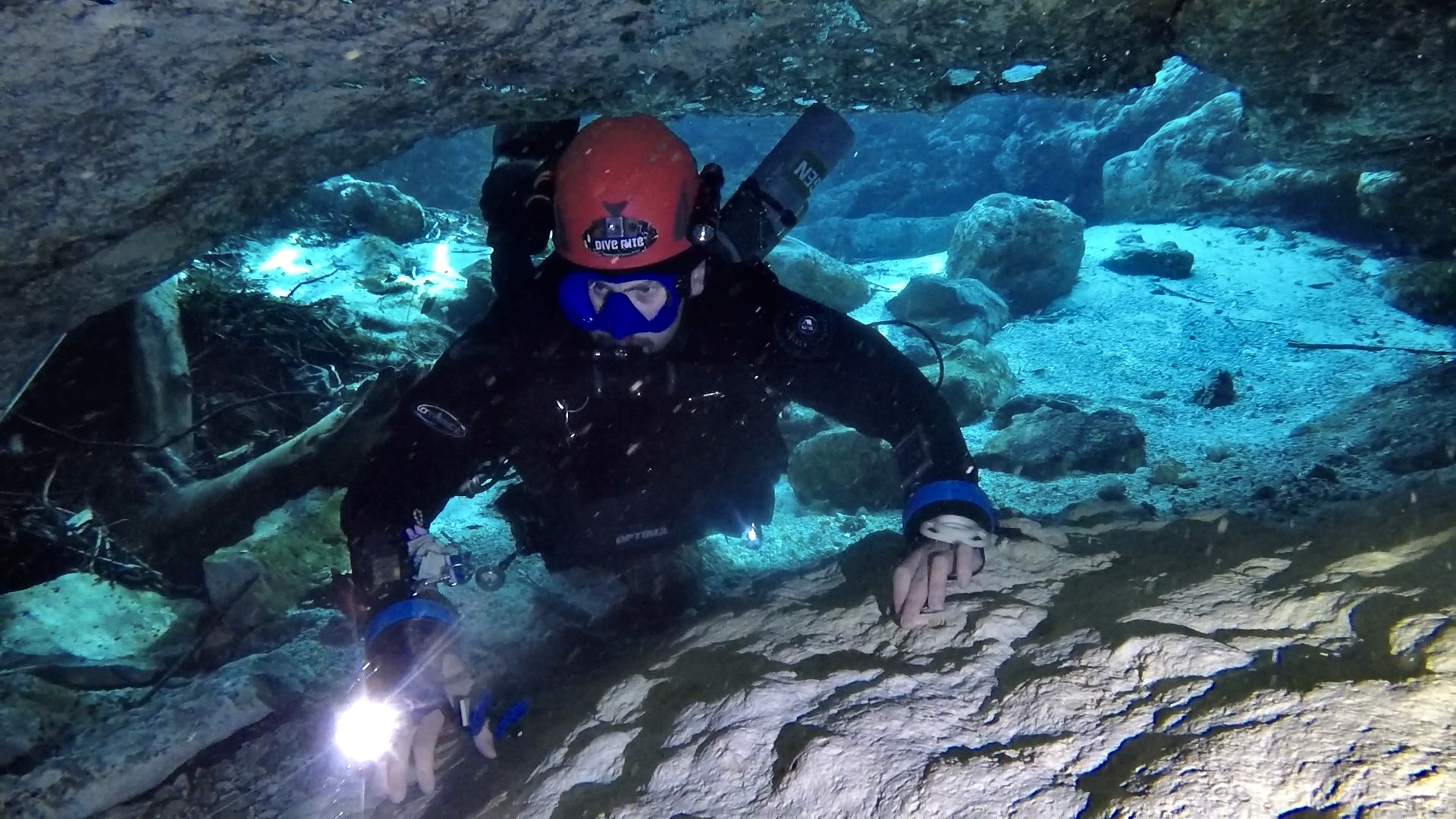
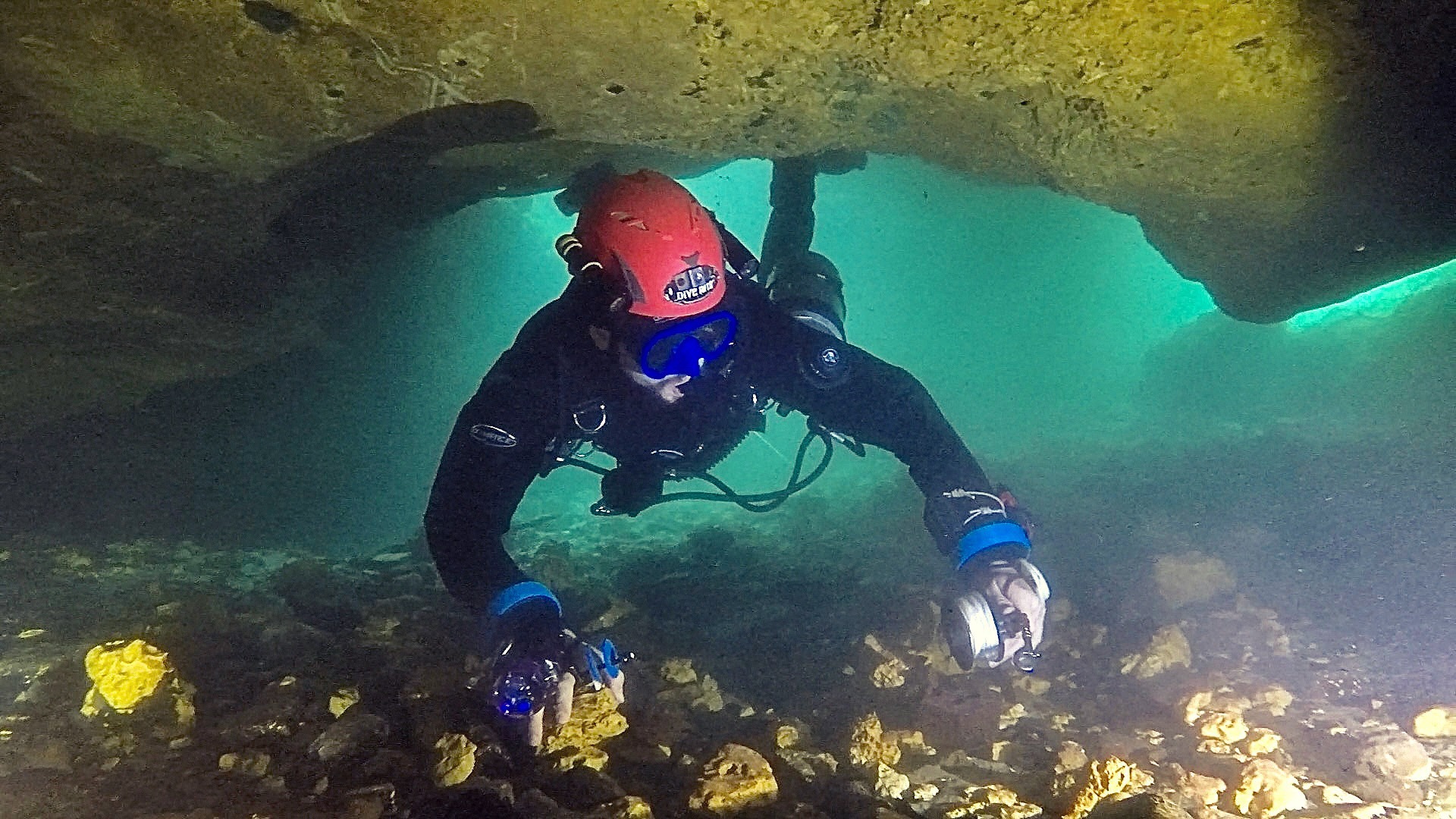
After a heavy morning of Choptima equipment familiarisation and theory with the Designer and owner of Diverite Lamar Hires, we set off for a shakedown dive in Royal Springs. I started rebreather diving in 1995 so the theory of diving a CCR is lodged in the memory. But different units have a different muscle memory to master. After a good hour long dive, to start learning the systems of the Diverite chest mount CCR we returned to the factory to strip clean and prepare the units for tomorrow’s cave diving.
Orange Grove sink is part of the Peacock Springs cave system with around 10km of explored passages. We set off in some classic Florida cave and swam for four hours, completing the Grand Traverse both ways around 1.4km one way, plus a loop around the Nicholson Tunnel. Swimming around 3.5 km with a maximum depth of 21m. The Diverite CCR performance was excellent and by the end of the dive I had started to become familiar with its normal operation and procedures for bail out and fault finding.
More diving followed over the next two days in Madison Blue Springs and Little River Cave conducting all required drills and bail procedures to become happy with the operation of the CCRs. After this we had three days post course diving on our own but enjoying the superb support of the Diverite team for any further CCR queries and information on local caves.
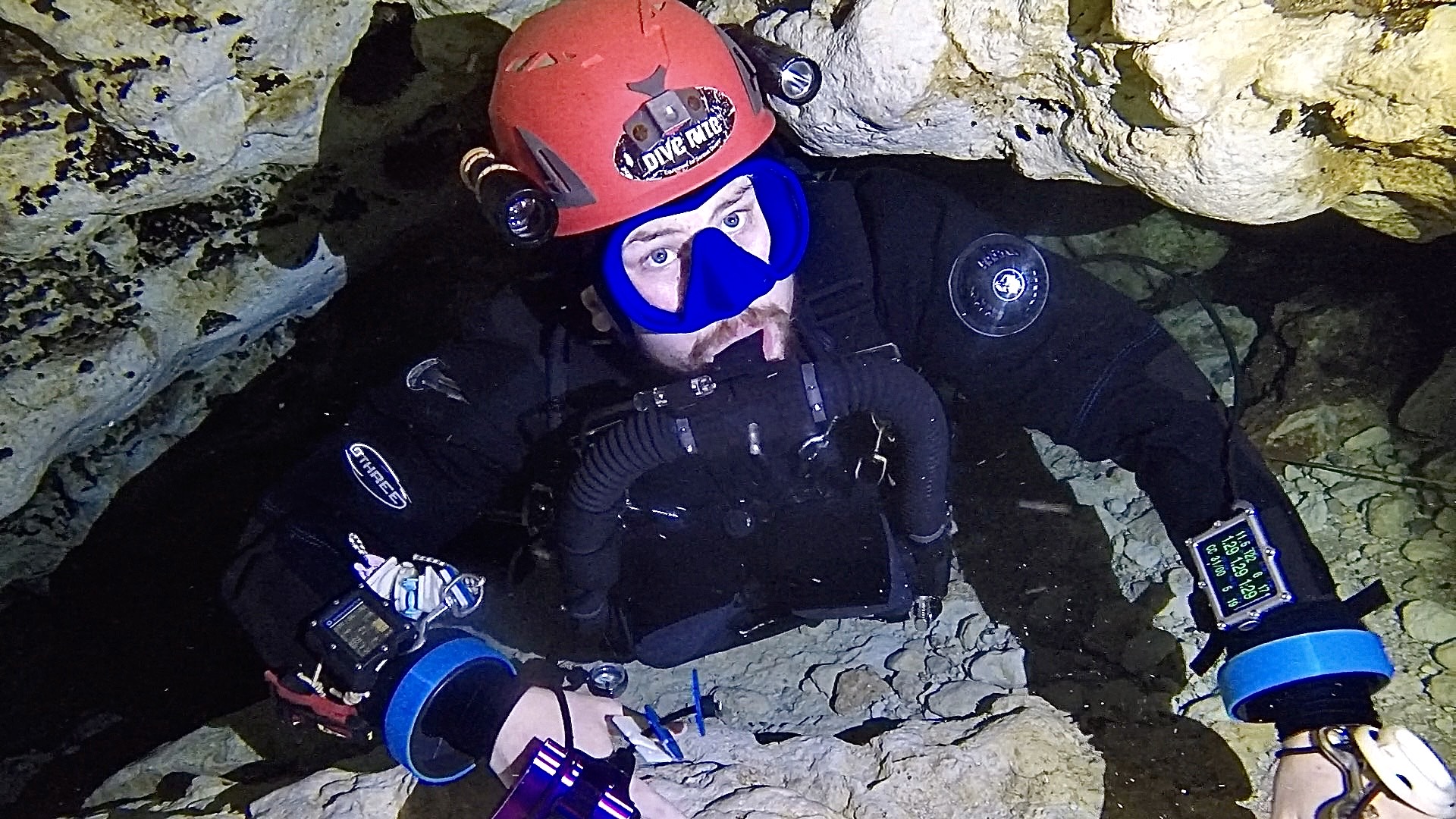
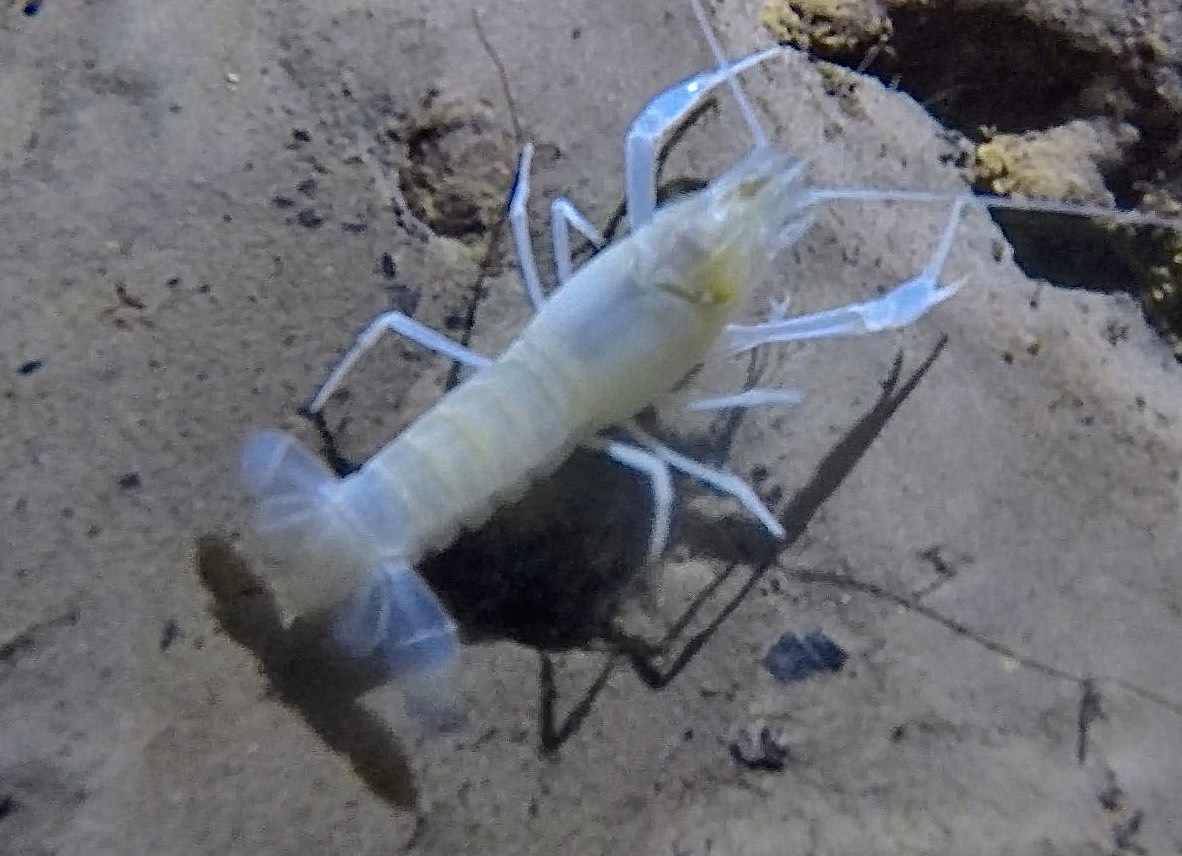
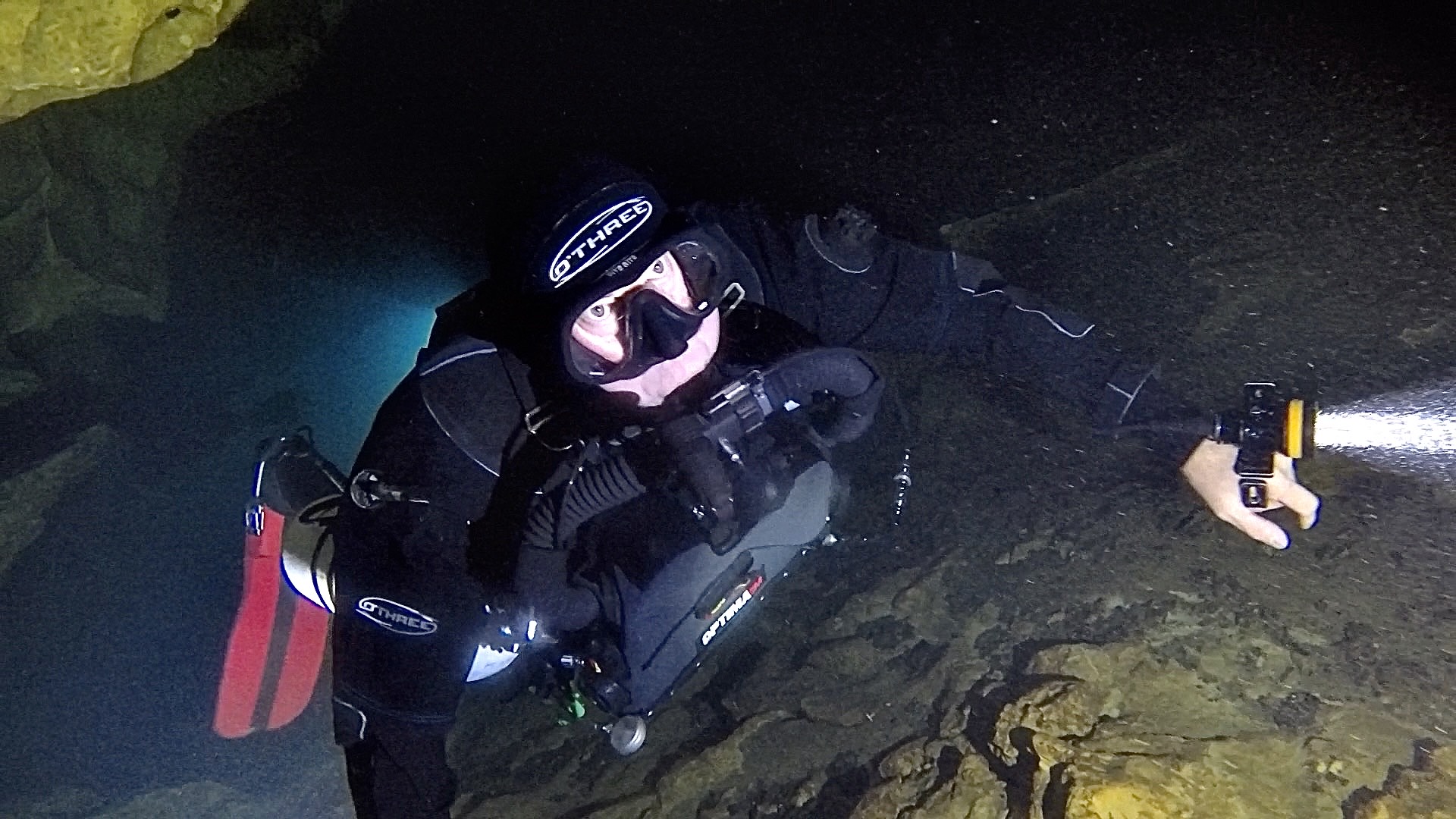
Ginnie Springs is always a classic dive and we enjoyed 2.5 hours of superb cave diving In excellent visibility, a return to Little River Cave followed to reach the well head area in high flow, this made for a hard swim in but a fun ride out. Even with prolonged exertion against high flow the work of breathing of the Diverite chest mount CCR is excellent. Our final dive was in Telford Springs, an old favourite cave of mine and I was pleased to see the cave was still home to much cave life.
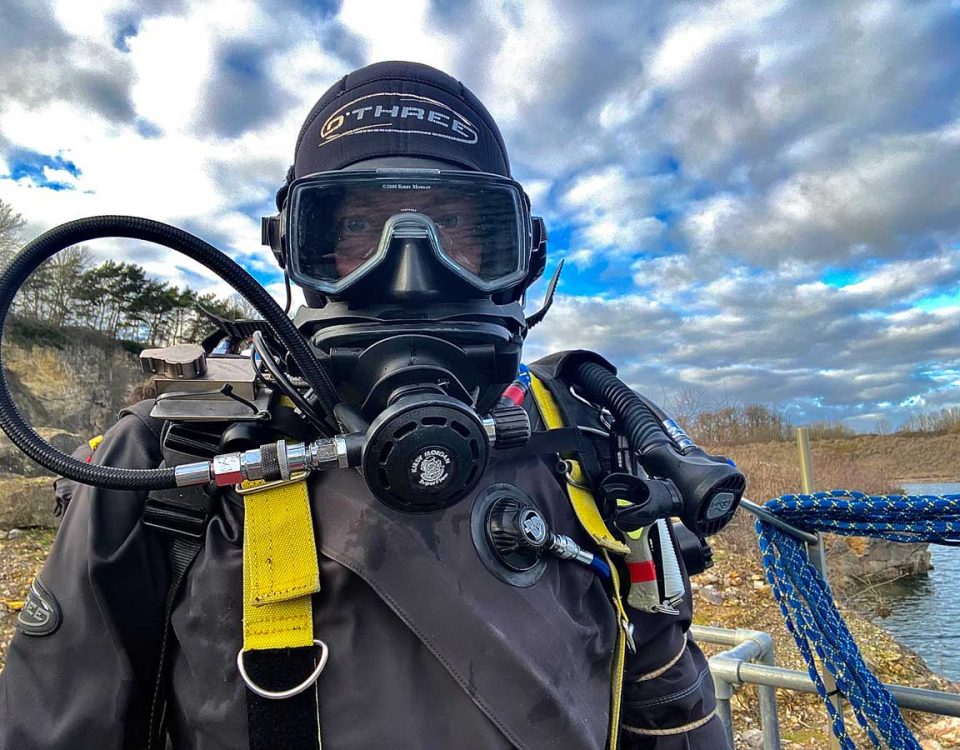
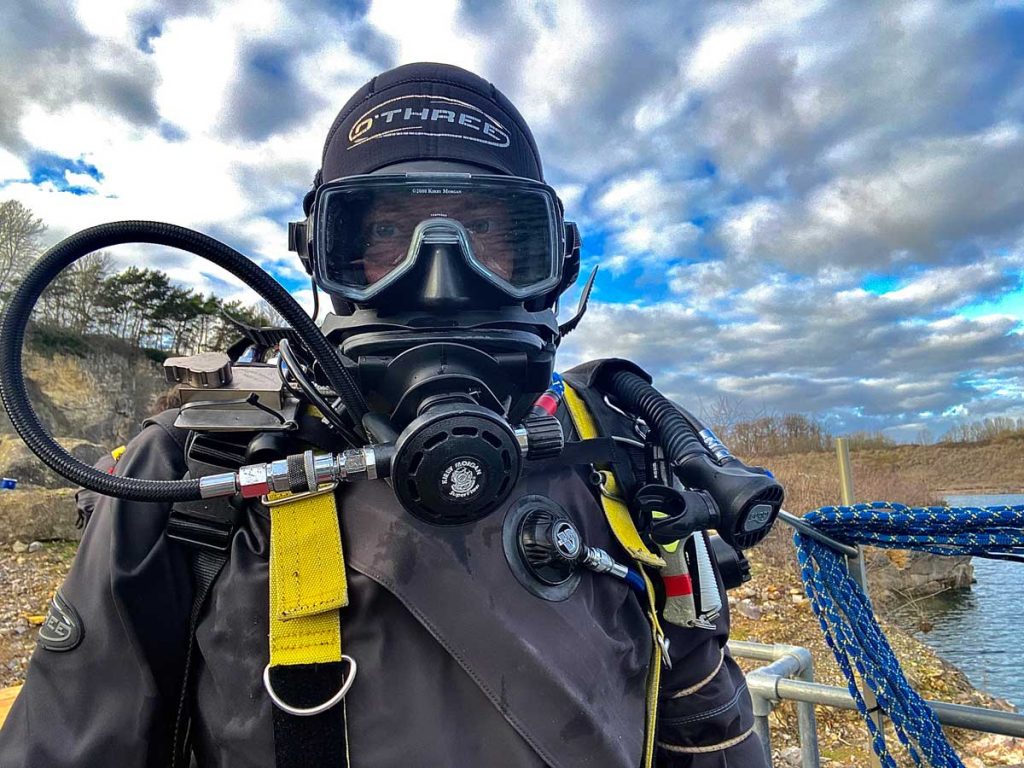
Thermal Protection used O’Three 90Ninety Trilaminate DT.
All of our diving requires thermal protection of some sort, from O’Three 3mm wetsuits to the mighty 90Ninety DT. Please ask for advice on thermal protection, get it wrong and it stops the diving.
2024 has now started and the clock is still ticking 😎 let’s get the diving adventures underway.